
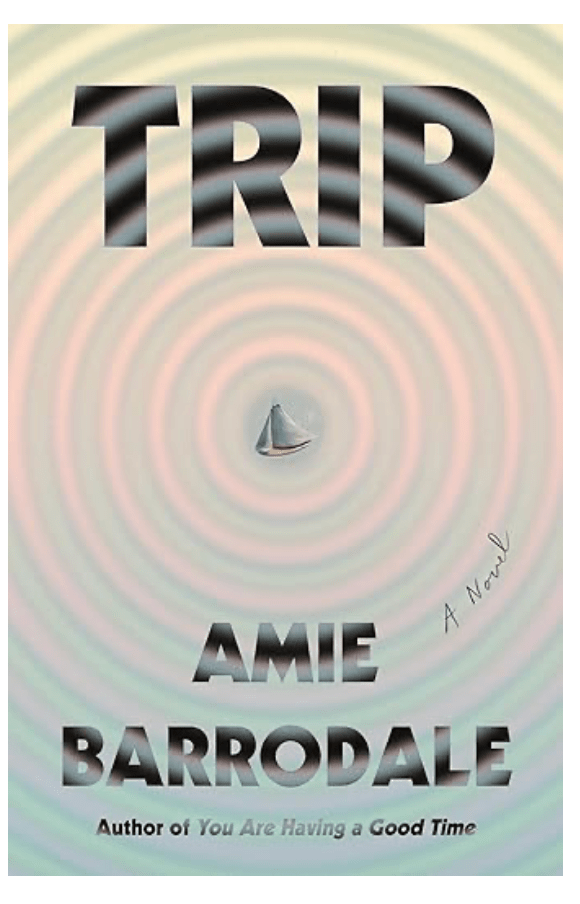
Narrator Sandra embarks on an odyssey through the afterlife to her autistic son, who is literally and figuratively lost at sea: a hilarious and deeply moving voyage of the body and the mind. “It was a strange experience, speaking to someone who didn’t tune in to you. It was like talking hallucinogens” Sandra said.
Following a documentary producer who dies and desperately tries to rescue her child while her spirit still roams the earth, Amie Barrodale’s debut novel Trip as much about neurodivergence and the impossibility of human empathy as it is about the bizarreness of the afterlife. Trip is also the name of Sandra’s recalcitrant 15-year-old, and this psychedelic novel leans into all senses of the word. The family’s lives go awry when Sandra, called to Nepal for work, and her intellectual ex-husband Vic, unable to care for their only child, single-handedly, decide to leave Trip in a dubious treatment centre, hours from home while she’s away. Vic has repeatedly tried to stall Sandra’s career, an antagonism that steels her determination to go in spite of his self-regarding protestations.
Sandra dies at a death conference in Nepal attended by academics and mystics. Days later, back in America, her teenage son, Trip runs away with Anthony, a dodgy landlord who considers Bill W, and picks him up on the side of a road. Sandra tries to get a message back to Trip through the mystics, but the mystics are distracted, and her son and the strange man set out to sea.
Amid this bustling panoply, Sandra winds up sidelined in her own first person narrative, treated merely as a protective mother without much other personality or back-story. Barrodale’s vision in Trip of an afterlife where out-of-body souls gain wisdom, new perspectives and an “openness to all situations and emotions” about to let it go.
Amie Barrodale’s first 2016 novel, features restless souls, Buddhists deities, divorcees in recovery programs, arguing academics, uncomprehending school principals, and treatment centres for troubled teenagers, effectively people being fundamentally at odds with one another, and journeys from body to body, through life and death and back again. It tells the story of a mother and son who find other people hard to understand and who are themselves misunderstood. Guiding this wild, unpredictable journey is deep devotion; the desire to save a child and to be good mother despite it all.
Wide-eyed with wonder, blazingly funny and achingly moving, Trip brings us the deeper meaning of The Tibetan Book of the Dead: the past is a memory, the future is a projection, the present is gone before we can see it.
Sandra’s documentary project revolves unsubtly around a conference on death, enticing a motley array of scholars from mediums to neurologists. Once there, Sandra meets her demise – a rather protracted one- first wedging herself in a cave, then being freed, before exhausted, slipping in the hotel bathroom.
Trip by Amie Barrodale, Jonathan Cape£16.9 9 /Farrar Straus and Giroux $28, 304 pages.

 The neptune Herald
Leave a reply to pennynairprice Cancel reply