

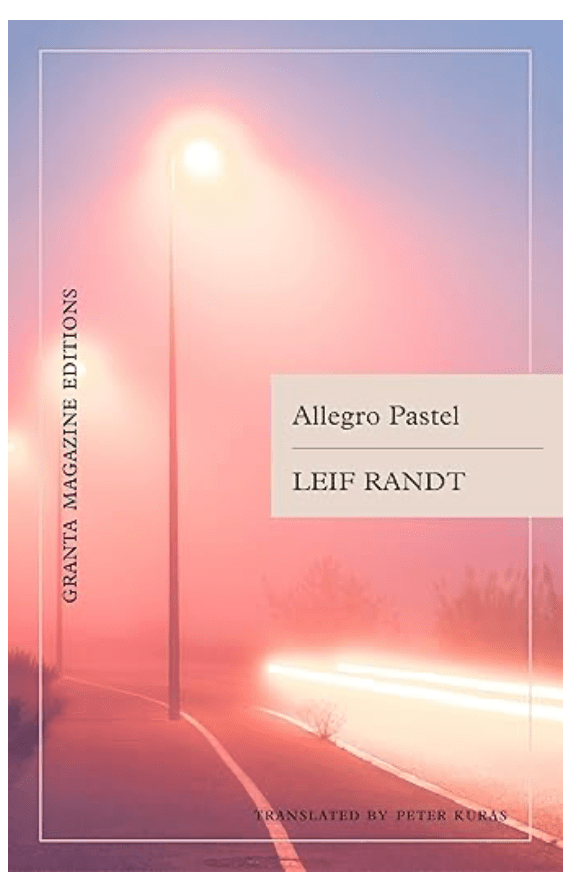
Tanja and Jerome are navigating a long-distance relationship in a world of constant communication and emotional hyper-reflection. Whether they are texting one another trip updates from midday raves or debating the best trainers in the own-brand aisle of Decathlon, every gesture is controlled and self-aware. This is love in the therapeutic age. Both conform to the archetype: Tanja is a Berlin-based writer whose first book sits somewhere at the intersection of virtual reality and gay romance. “People who didn’t like it came across as cringingly proud of their dislike of a book that meant something to others, “ writes Randt, Jerome, a freelance web developer living just outside Frankfurt, gifts her a website, because nothing says love like HTML, “Every time she liked a user interface, she was reminded of him,” we read.
In one email to Jerome, Tanja suspects that her mother has depression. Visiting her in Berlin one weekend and seeing the places he recognises from her social media posts, Jerome feels as though he is “walking through one of his girlfriend’s Insta stories”.
When Jerome and Tanja are with one another in person, they seem cold and unconvincing: when apart, their communications yearn and show off and smoulder. The cleverly constructed para-social relationship for a real couple – the exaggerated endpoint of personas that proliferate from our online lives.
Leif Randt’s Allegro Pastel, translated into English by Peter Kuras, is written with crackling insight, dry humour, and deep emotional intelligence, conveying the panic of vanishing of your twenties and looming infinity of working life. “I don’t want to start thinking in decades, reflects Tanja. “In thirty years I could still be working full-time.” The couple choses to live in the present. “The Present,” Randt writes, “ which consisted of enormous light, professional success, and astonishing doses of euphoria while jogging, was pretty much all right”.
Randt speak of a generation, broaching how those who have grown up under the digital spotlight and been so deprived of economic stability and opportunity will cope with turning 30, with their parents ageing, and with their friends having children.
Allegro Pastel by Leif Randt, Translated by Peter Kuras, Granta Magazine Editions £12.99, 320 pages.


Not that I have read many of his books, but still – Charles Dickens probed the lives and subculture of his time to create his stories. It is said that he went in disguise to poor and rough areas to get his information to craft some of his best works with characterisation being a feature. However I do not think being queer or gay featured in his works. So what has changed with writing? People who are homosexual now want attention and acceptance, toleration and adoration. A bit similar to the campaigns by the black community – but not Asian, people are not satisfied whatever is done for them if they are black and then want to resent the result which is occasionally a lack of tolerance or resentment for them wanting to be treated as special and seeking some kind of awe. They specifically ignore the fact that we all want to live good lives and navigate all its complexities and predjudices – not just them! It seems this book addresses gayness. So nothing new there! As the gay popoulation likes to claim it is sizeable, I am sure it will get a few readers dipping in. The media has championed women who claim rape and sexual harrassment so gayness now takes a tack on trying to find extra acceptance as an alternative to this route. Only reading the book will prove its value as a good piece of writing. Peace. Aymen.
LikeLike
There are undoubtably gay men and gay women who claim they have been sexually harrassed or raped by their own gender anyway.
LikeLike