

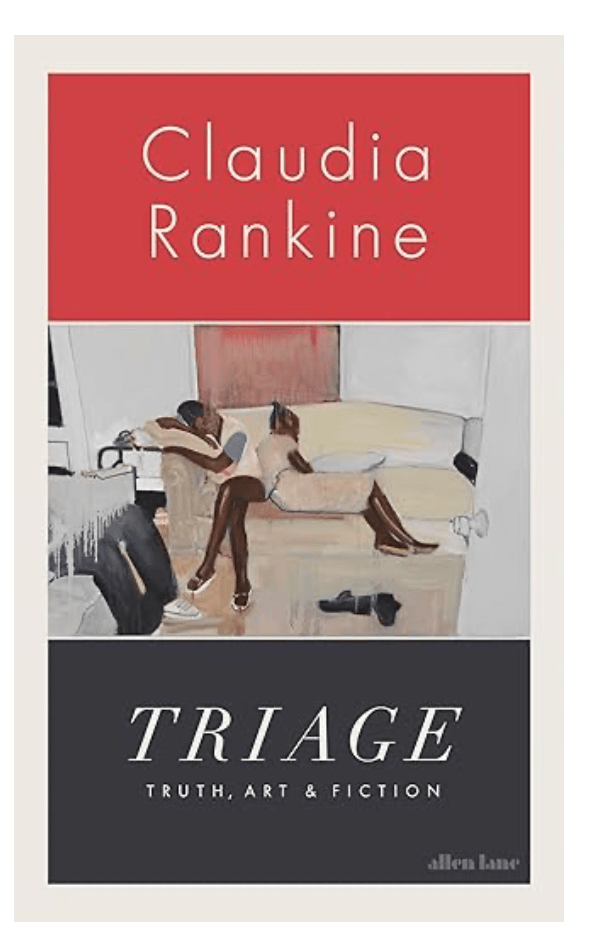
Two friends meet in an art gallery after decades of silence. The idealism that once bound them together fissured and fractured under the weight of collective and personal griefs. Through their memories of youthful certainty, the antagonism of their conversation and the embers of their enduring kinship, they navigate the wreckage of our world today- the hope, the anger the exhaustion.Jamaican-American poet and playwright Claudia Rankine best known for “Citizen” (2014), her prize-winning work of prose poetry about black experience in the US, which explored microaggressions, police violence and Serena William’s treatment by tennis officials and exposed the depth of racism in American society. In her most personal and emotionally resonant writing yet, Rankine blends narrative, memory and criticism in a poignant exploration of the beautiful but complicated friendships that we rely on to unsettle us, to make us better- exposing the fiction in the facts of our lives and demanding action in our time of relentless loss.In Triage Rankin includes a hybrid of memoir, fiction, art criticism and poetry, about life during the run-up to and first year of the second Donald Trump presidency, an era where Rankine says: “Everything was on a collision course with the hardness of now.”Rankine’s 60th birthday when she attends a lecture by an academic she refers to as “the theorist” who goes by the pronoun “they’. The theorist, who is both Palestinian and Black, is a composite character based on women Rankine has known.In Triage, Rankine recalls befriending the theorist when they were students, bonding over a shared sense of injustice. They developed a performative routing of falling to the floor around campus that Rankine interprets as “a refusal of flow, a recognition of injury, ours, everyone’s as we travelled through time”.Rankine and the Theorist lost touch after graduation. Nearly four decades later, they reunite shortly after the lecture when they arrange to meet at exhibitions, first at the Whitney Museum in New York then Tate Britain in London, where Rankine continues her study of artworks depicting couches (they spark in Rankine meditations on the politics of comfort, rest and the sense that “everything had lost its softness”. The pair resume their dialogue about the role of art and direct action in a brutal and burning world. Rankine says “There are no inviolable rights anymore. It’s impossible, everything feels impossible, even as I’, not in despair all day long. Then the lack of despair causes despair”.Rankine shows in Triage, that it is a mistake to think in such binary terms because, while it is unhelpful to pretend that things were OK before, it also cannot be denied that they have got worse in the past decade. It is exhilarating, to surrender to the ingenuity and rhythm of Rankine’s writing. When the theorist asks Rankine to house a refugee couple from Gaza in her empty Berlin apartment, she refuses and reflects: “My lack of generosity felt alien to me. Was I surprising myself or is this where I reside? Triage challenges its writer and readers to consider what kind of world they want to live in.
Triage: Truth, Art and Fiction by Claudia Rankine, Allen Lane £22/ Greywolf Press $28, 208 pages

