

Former British Airways Captain Tristan Loraine reveals the inside story behind what the aviation industry really knows about the air quality you breathe in flight. His investigation spanning over 20 years revealing the aircraft design flaw, that allows the breathing air to become contaminated with a complex mixture of over 200 toxic chemicals including TCP that manufacturers warn you should not breathe when heated, known to aerospace industry since the 1950s. He uncovers the health and flight safety consequences of exposure to contaminated air inside airborne aircraft, the risk it poses to crews and the innocent travelling public and reveals work he initiated on a new blood test that confirms exposure. The Documentary also reveals undisclosed internal agreements withheld from Government enquiries, secret memos, altered hospital records, and key legal battles. Personal stories and first-hand witness accounts from air crew and passengers caught in severe toxic fume events and pilots incapacitated and unable to to fly their plane, lead us to ask, When the air quality onboard aircraft not being continuously monitored when accident investigators have been calling the industry to do so for over a decade? High temperatures encountered within the aircraft engine compressor causes the oil vapour to decompose into extremely noxious and irritating substances pump into the aircraft through Bleed air.
Tristan Loraine highlighted a possible solution to fume events “adjusting the method of supplying air to the cabin is a possibility. Unlike the 708, which use electrical compressors, every other airplane utilises the flawed bleed air approach. Several years ago, Airbus and the German company Liebherr Aerospace collaborated on exploring the possibility of converting an A320 to a bleed-free system, like the 787, employing electrical compressors to draw in outside air. However due to the substantial electrical power consumption of the electric compressors, they faced challenges in generating enough power to operate two large compressors. Consequently the project did not progress beyond making on half of the aircraft “bleed free”. Unfortunately there is currently no serious effort to develop this technology”.
Tristan Loraine dedicated this film to Captain’s Tim Lindsay, Dave Hopkinson, Ray Godfrey, David Hill and the crew and passengers adversely affect by contaminated air exposures. The International Civil Aviation Organisation, a specialist agency of the United Nations set up to define international safety, environmental and operating standards for civil aviation, Civil Aviation Authority, Federal Aviation Administration, EASA are all supposed to be concerned about air crew and passenger safety when toxic chemicals including organophosphates like tricresyl Phosphate (TCP), volatile organic compounds (VOCs), carbon monoxide found inside airplane cabins, primarily originating from engine oil and hydraulic fluids that contaminate the air supply also known as bleed air. While levels of these substances are generally low and below known toxic thresholds, some individuals report experiencing health issues related to these exposures, a phenomenon sometimes referred to as “aerotoxic syndrome”. The possible health risk for airline crew members call a stinky little secret. Flight attendants and pilots call it the “dirty sock smell”.
In 1997, Dr Susan Michaelis, a former pilot and authority in aviation safety, had to retire from her profession at the age of 34 due to illness that made her unfit to fly. Since then, she has dedicated her efforts to researching the field.
Jet powered aircraft require the use of synthetic engine oil and hydraulic fluids which can potentially seep into the air supply in modern aircrafts, except for the Boeing 787 Dreamliner. The air supply bleed air is drawn unfiltered from the engine or auxiliary power unit (APU), contaminating the aircraft’s internal air with toxic substances. Inhaling oil and fluids that leak into the aircraft breathing supply can result in both immediate and prolonged neurological (tremors, muscle weakness, numbness in limbs, peripheral neuropathy), cardiological (irregular heartbeat, elevated blood pressure), respiratory (lung disease, cognitive dysfunction, toxic encephalopathy, asthma, chronic bronchitis, sinusitis, vocal cord polyps), suspected of damaging fertility, damaging unborn child and other health issues.
Sometimes there’s smoke – as on BA 422 to Valencia in August 2019. Passenger Gayle Fitzpatrick, says BA still hasn’t told her what actually happened. BA says this is because it is awaiting the results of a Spanish air accident investigation. Sometimes there’s just an unpleasant smell. People describe it as “smelly socks”, “wet dog”, “ozone” or “nail varnish” .Sometimes only the crew are affected. Sometimes it’s passengers too. The airline industry is adamant there’s no evidence that fume events do lasting harm. But people who work for airlines are increasingly worried that their health is being damaged, and are recording incidents on their own unofficial fume-event registers. There is still no central database worldwide for all airlines.
In 2016 another BA flight was flying to San Francisco when the pilots issued a PAN PAN emergency – one level down from a Mayday. There were reports of “dizziness, headaches, nausea, itchy red eyes, metallic taste, aggression and most worryingly forgetfulness and confusion, inability to think straight and converse normally”.
In June 2022, an Interview on Seth Meyers Show, actor Miles Teller shared his experience and response after being exposed to toxic fumes in a jet while filming “Top Gun”
Tristan met an official from French lubricant manufacturer Nyco, who decided to allocate enough funding to research and come up with a safer oil. On September 3rd 2024, NYCO was awarded a patent no:12077493, inventors, Delphine Crozet, Alice Limoges, Djibril Faye, Yves Travert, Grégoire Hervé found a method for producing estikude esters and composition of estolide esters. Their method for the preparation of estolide esters from a hydroxycarboxylic acid by a reaction of addition of a fatty acid to the hydroxyl function and by a reaction of esterification of the carboxylic acid function with an alcohol. The invention further relates to the use of estolide esters as a base oil in a lubricating composition or as an emollient in a cosmetic or pharmaceutical composition. This additive is part of a new generation of engine oils aimed at reducing potential harm from fumes in aircraft cabins. Specifically, NYCO has developed TURBONYCOIL 940 SE, a synthetic turbine oil, which has been approved by the US military and listed in the US Department of Defense’s QPD database. But the engine manufacturers is yet to approve this oil for 200,000 aircraft engines, so none of the airline can effective use this oil. George Bates, Boeing environmental control said “Bottom line is I think we are looking a for tombstone before anyone with any horsepower is going to take interest”.
BA sold some planes to global logistic operator DHL who converted the commercial plane to a cargo one, they had the insight to filter the Bleed air coming into cockpit, which cost about £10, 000 to enhance crew safety. DHL’s fleet includes Boeing 777F, Boeing 767F, and Boeing 757.
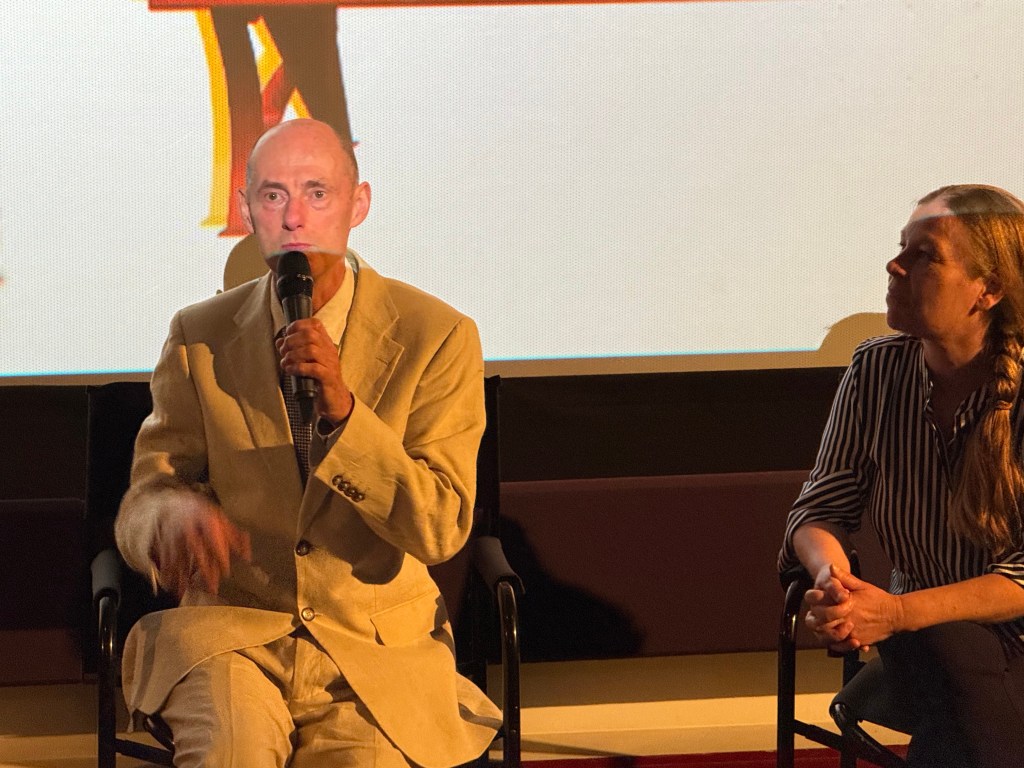
Raindance 33 Film Festival 2025- The Vue, Lower Regent Street, London. UK, is showing “Your Captain Speaking” , the documentary directed, written and produced by Tristan Loraine, with co-director Sandra Skibsted, a award-winning Danish documentary film director, producer and photographer, Mortiz Schmittat, German living in Guildford providing background music.

 The neptune Herald
Leave a reply to pennynairprice Cancel reply