


Lego A/s (The Lego Group), a Danish construction by production company based in Billund, Denmark, manufacturer of interlocking ABS plastic and rubber bricks. The company founded in 1932 by Ole Kirk Christiansen, a carpenter whose primary business of producing household goods had suffered due to the Great Depression. He produced initially wooden toys, and developed interlocking bricks by 1947, naming it Lego, based on a Danish phrase leg godt, meaning “play well”. The name also means in Latin either “ I collect”, “ I compose”, “I choose”, “ I read”. After a fire in the woodworking department, Ole’s son, Godfred, decided to stop the production of wooden toys and solely focus on plastic products and the Lego system. He also built an airport in Billund to facilitate the sale of Lego toys around the world.
Lego was on top in the 90s as everyone loved the bricks, kids were obsessed. They expanded into selling clothes, watches, and even had TV shows, and theme parks. More products meant more ideas, more distractions. The toys were not selling, as the company was quietly falling apart.
By 2003, Lego was $800 million in debt, losing $1 million a day, and weeks away from eminent collapse.
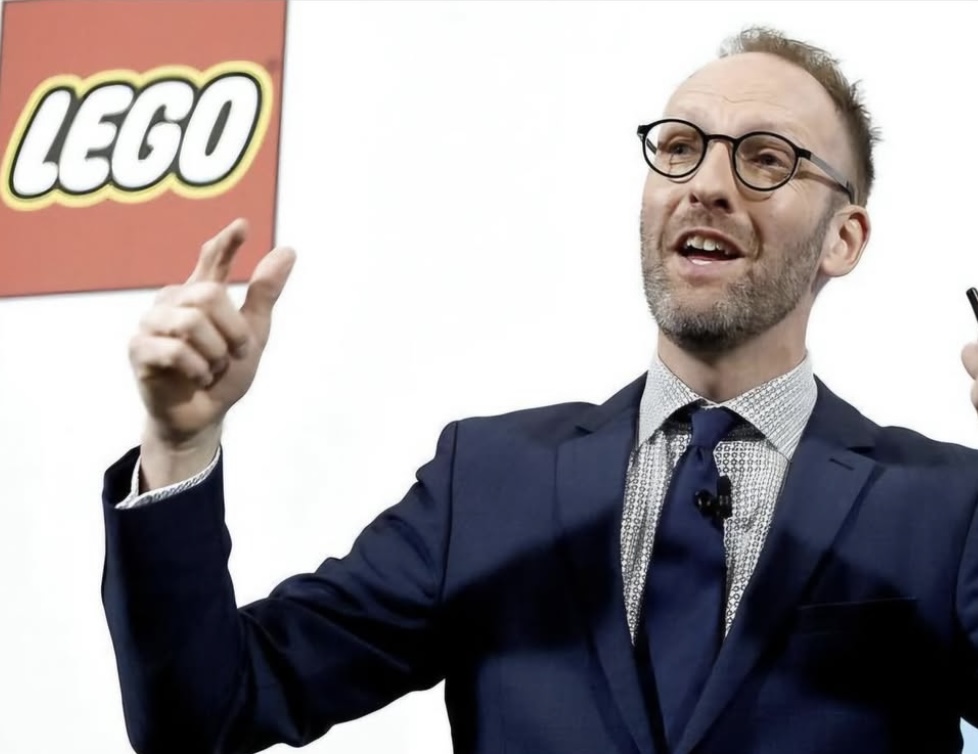
Jergen Vig Knudstorp (35), a new CEO stepped in to stop the rot, and slashed the product lines by 30 per cent and laid off 1000 employees. Lego was making 7, 000 unique parts, which made the production slow and expensive. He decided to focus on sets people actually wanted, by listening to customer’s feedback. Then partnered with big names like Star Wars, Batman, Marvel Comics, and the Harry Potter series. The brand also released The Lego Movie (2014), a computer animated feature film centred on the adventures of Lego Minifigures, followed by in 2017, The Lego Batman Movie, which focused on one of the characters introduced in the original film.
By 2015, The Lego Group became the world’s largest company by revenue, with sales amounting to US$2.1 billion, surpassing Mattel, which had US $1.9 billion in sales. In 1995, the company’s ruling Kristiansen/Christiansen family would begin running The Lego Group through the Kirkbi investment firm.
Since the expiry of their patent in 1989, several companies started producing similar interlocking bricks, Tyco Toys, Mega Bloks and Best-Lock to name a few.
One such competitor Coko, a Chinese company Tianjin Coko Toy Co., who was taken to court for copyright infringement, and was ordered to cease manufacture of the infringing blocks, publish a formal apology in the Beijing Daily, and pay a small fee in damage to Interlogo AG, Lego Group’s Swiss subsidiary. On appeal, the Beijing High People’s Court upheld the trial court’s ruling.
In 2004, Best-Lock defeated a patent challenge from Lego, in the Obeerlandesgericht, Hamburg. The Lego Group has attempted to trademark the “Lego Indica”, the studded appearance of the Lego brick, hoping to stop production of Mega Brands. On 24 May 2002, the Federal Court of Canada dismissed the case, asserting the design was functional and therefore ineligible for trademark protection. The Lego Group’s appeal was dismissed by the Federal Court of Appeal on 14 July 2003. In 2005, the Supreme Court ruled unanimously that “Trademark law should not be used to perpetuate monopoly rights enjoyed under now-expired patents” and held that Mega Bloks can continue to manufacture their bricks.


This is a wonderful story and analysis of business acumen which has seen off the competition and scored majorly on the market. The Danish man who engineered this turnaround in the fortunes of Lego is to be applauded especially by taking on board Batman, Star Wars, Marvel Comics and Harry Potter Lego to gain following and fans. The most wonderful aspect of Lego is that it gives the age groups its sets are designed for on the box and it requires intelligence and skill to assemble which is educational and fun and builds abilities which can be used in later life as transferable assets.
Some of the Lego sets are highly sophisticated and can be displayed in an ormaental way – space permitting.
I have personally witnessed the charm and pleasure some of my family have with working with Lego.
The court case is interesting but no other company in the marketplace has the sophistication and experience and attention to detail that Lego has which has made it so superlative. Absolutely enjoyable story.
LikeLike