
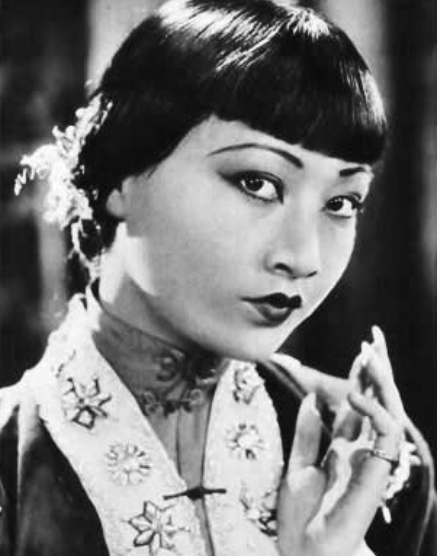
Anna May Wong, Hollywood’s first Asian-American film star, was 19, when she caught the eye of then screen hero Douglas Fairbanks. He thought that she would be perfect for the role of a sultry Mongol slave in The Thief of Bagdad (1924), one of the extravagant films of the silent era. Douglas had to show her how play a Hollywood-style oriental. “ This is the way we Americans walk” striding briskly and confidently before slowing down, as if in an opium-induced trance, “but this is the way the orientals walk.” It was not easy being an east Asian actress in interwar Hollywood, as screenwriters then could conceive of Asian women only as Lotus Blossoms or Dragon Ladies . Wong played parts like jilted maiden, beguiling slave, sinuous danseuse, soppy assassin, unsentiemental courtesan.
Wong got her first break in 1921 in Bits of Life playing the wife of a man who runs opium dens in San Francisco thanks to the playboy director Mickey Neil with whom she had a fling that possibly began on the casting couch. He was 30 she was 16. Wong dropped out of school the next year – her racist classmates used to jab pins into her to see if the Chinese were capable of feeling pain – when she landed a starring role as Lotus Flower in the Technicolor silent movie.The Toll of the Sea, a mawkish Sino-American romance set against the back drop of cherry blossoms.
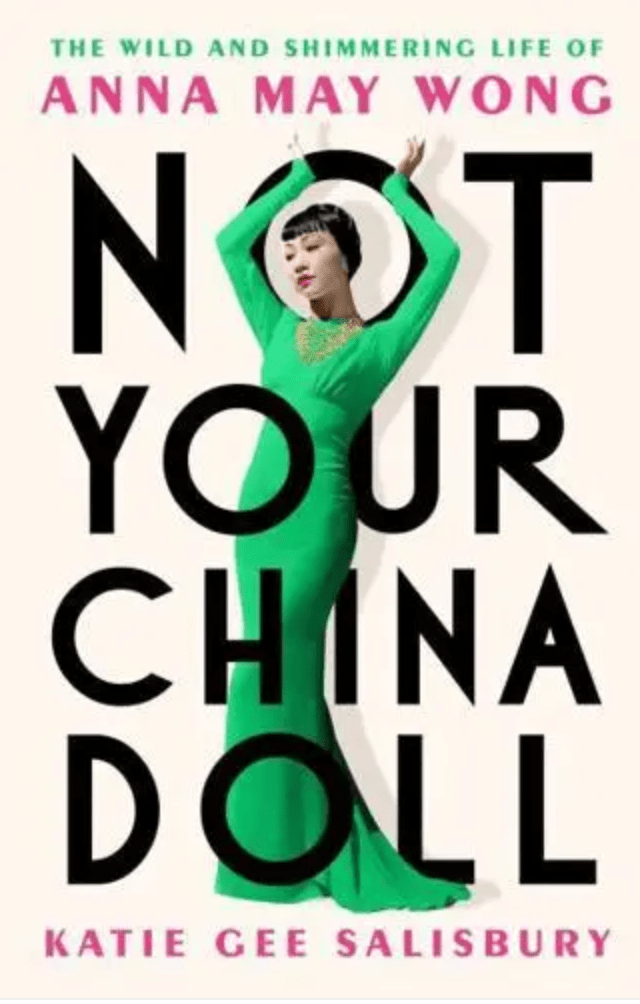
Anna May Wong, was before Constance Wum Sandra Oh, Awkwafina, or Lucy Liu. In her time, she was a glamorous starlet, flapper, and fashion icon who graced Oscar-winning films and who was mobbed by clamouring fans and the adoring press both here and abroad. Anna May Wong was exported from her family’s Chinatown laundry business in Los Angeles and rose to stardom in some of classic Hollywood’s biggest films. After being tired of Hollywood stereotyping, she headed abroad in protest. She found international fame starring in films across London, Paris, and Berlin, and returned to Hollywood on bended knee, offering a three-picture studio contract. She used her new stature to move away from her typecasting as the China doll or dragon lady, and she worked to reshape Asian American representation in film. Filled with stories of capricious directors and admiring costars, glamorous parties and far flung love affairs. Her vibrant story navigating stardom I the early days of Hollywood is dazzling, and her resilience opened doors for many who came after her, and celebrates Wong’s tenacity and commitment to her race and culture.
Salisbury effectively reveals systemic injustice, as Wong became the toast of Europe, brought global attention to Japan’s atrocities in China, and was the first Asian American to land her own TV series,
Not Your China Doll, The Wild and Shimmering Life of Anna May Wong by Katie Gee Salisbury, Faber, 480 pages, £25.

 The neptune Herald
Leave a reply to pennynairprice Cancel reply