

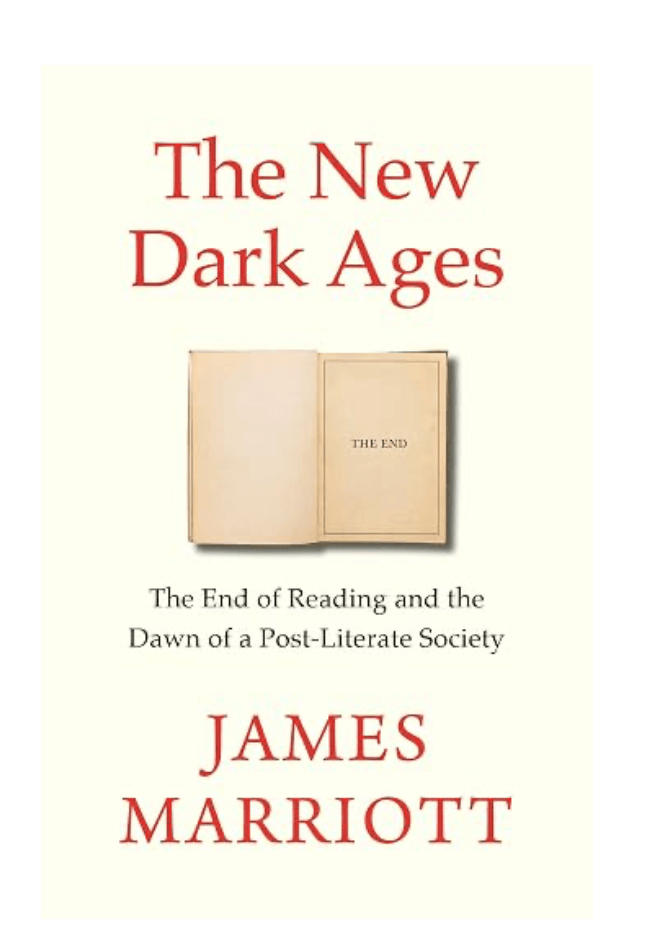
James Marriott (33), a columnist at The Times, is worried that people are not reading as literature graduates have trouble in concentrating on long texts, amid constant digital distraction, which has created a “hostile environment” for learning. The golden chain of knowledge linking reader to reader through history is breaking. The screen has replaced the page. Our free time has been colonised by addictive, infantilising slop. A culture of distraction is replacing a culture of reasoned debate.
As reading declines, thought becomes shallower and culture becomes simpler. Public life is becoming more emotional, more tribal and more irrational. We are entering a post-literate society and the world we knew is already beginning to disappear.
Six hundred years after the invention of the printed book, it has never been more threatened or more irreplaceable.
Marriott points out that the decline of reading predates the internet: the peak of mass literacy, and of reading as the primary form of entertainment, was sometime around the middle of the last century. Today’s hand-wringing about online screen time has a modern precursor in the moral panic over television, which began in the 1950s and continued into the 1990s. But the smartphone’s impact is of a different order of magnitude, and if print culture does eventually give way to screen culture, the ramifications could be far reaching.
A democracy requires literate citizens, but Marriott fears the electorate may end up “as helpless, credulous and poorly informed as the subjects of a medieval King, amid the confusing video platforms like TikTok. Marriott remarks the current crop in Westminster are lightweight technocrats who have a shallow understanding of history and “live in a glib eternal present”. Marriott while pondering Charles Dickens’s prose, he feels a pang of envy for the 19th-century readers: “every sprawling digressive clause…. Contained an unspoken assumption about what else his readers might be doing. Which was not much.”
The human mind loves to wonder, back then it was within text, but today it is elsewhere. Shutting out digital world requires an active effort, but Marriott believes it’s worth it, because “to immerse yourself in nothing but distraction is not a recipe for a happy or meaningful life”. To teach his teenage son this lesson, a British father for one week, took him to Manos in the deep Brazilian forest where there is no television, smartphone, computers or even electricity. Can you survive without these luxuries. “To immerse yourself in nothing but distraction is not a recipe for a happy or meaningful life”. Marriott writes.
Marriott insists “ the printed book can be in the vanguard of a new and radical way of looking at the world”, precisely because it is different to the smartphone.
The New Dark Ages: The End of Reading and the Dawn of a Post-literate Society by Kanes Marriott, Bodley Head £14.99/ Doubleday $26, 208 pages.

