In 1961 Penguin Books became a listed company, as five months earlier, a jury had cleared Penguin of publishing an “obscene” work: the unexpurgated paperback of DH Lawrence’s late novel, Lady Chatterley’s Lover, one of the best-known and most resonant works of the twentieth century. Originally considered obscene and unpublishable in numerous countries, its scandalous story of class divide and the English countryside is notorious. But since the 1920s we have repeatedly re-created Lady Chatterley, from film and TV to music and tourism. A record print run of 3 million copies earned Penguin pre-tax profits for 1960 almost quadrupled. The Chatterley an intensely high-minded novel by a visionary avant-garde author dominated public life in Britain. Guy Cuthbertson notes that the defence’s parade of expert witnesses at the Old Bailey represented the “high-point for a kind of deferential literary discussion”.
In Lady C, Cuthberston writes, the novel planned as a prophetic blast against soulless materialism became “one of the great generators of hilarity” in British history, having triggered not a wave of smut ( as the prosecution feared) but a tide of sauce. Cuthbertson tells the colourful story of the novel’s journey through the last hundred years. He examines how the book has been read, adapted, and reimagined across the globe, from the United States to Japan, and explores the 1960 “Chatterley trail” – a key moment in the struggle from freedom of expression. It might have been burnt and derided laughed at and defaced but Lawrence’s novel has crept into all walks of life. Whether the book or its influence, be good, or bad, we live in a world that Lady Chatterley’s Lover helped to create.
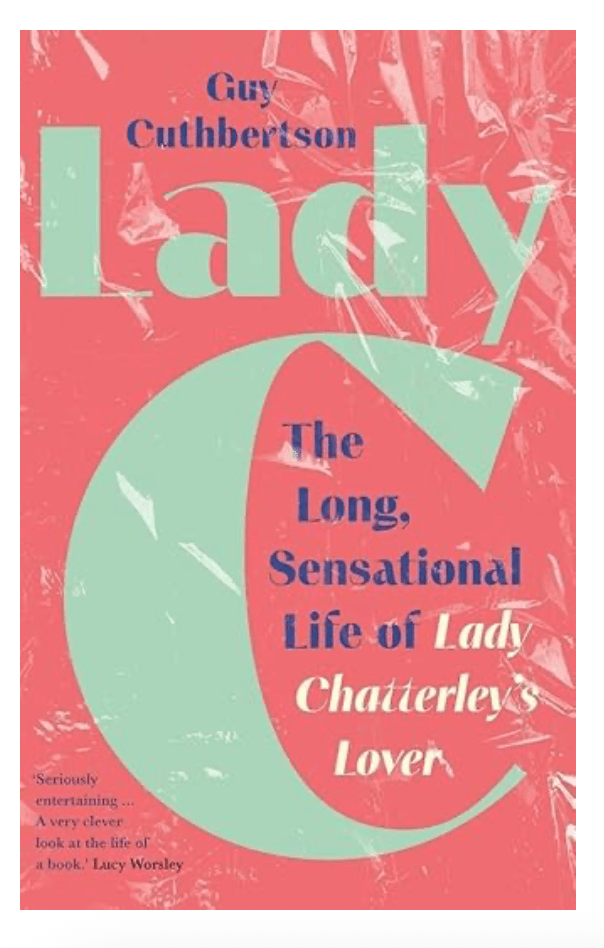
Lady C: The Long, Sensational Life of Lady Chatterley’s Lover by Guy Cuthbertson, Yale University Press £20/$30, 352 pages.