
The function of the thyroid is to regulate all the processes of energy release within individual cells and in the body as a whole, as metabolism is the rate at which we produce and use energy. The release of energy from life process in its simplest term is the combination of oxygen from the air we breathe, with hydrocarbons from our food. These are molecules made up of chains of carbon and hydrogen atoms. Sugar and the carbohydrates we eat are turned into the sugar glucose, as well fats and proteins can also be turned into glucose when required. Individual cells using complex enzymes operating within a miniature energy generating station called the mitochondrion. Here carbon and hydrogen atoms are released to combine with oxygen forming carbon dioxide and water which releases chemical energy, the cells live on this. Thyroid assists the enzyme systems that enable these nutrients and also electrolytes like sodium, potassium and other chemicals to pass into cell itself through its protective membrane. In the facilitating the processes of energy production in the mitochondria, as any lack of thyroid hormone reduces overall energy production. There are four Thyroid hormones produced by the thyroid gland, and tri-iodothyronine (T3) in the presence of thyroid stimulating hormone and the thyroperoxidase enzyme and the element selenium, the ringed amino acid tyrosine has one or two iodine atoms added to it called iodination which makes the new compounds mono-iodotyrosine or di-iodotyrosine, as these compounds join up to become thyronine compounds.
When Thyroid gland become over-active, with unpleasant life-threatening symptoms, the thyrotrophin release hormone over-activity ( hyperthuroidism) producing cancer, under-active causing bewildering problems varying from mere loss of energy and vigour to chronic invalidism and sudden death.
You can help yourself once you diagnose the condition, the nutritional strategies, vitamins and minerals, glandular extracts, proper balance between your carbohydrates, proteins and unsaturated fats; reduce your refined carbohydrates- sugars and starches, Fruits and vegetables. Sleep is essential for both Thyroid and adrenal health. Exercise is absolutely vital, yoga, regular walking, aerobic exercise and gentle stretching first thing in the morning to get blood flowing into all the glands.
Thyroid problems affect one in three of the adult population, but they difficult to diagnose on the basis of blood tests and often go undiagnosed for several years.
Dr Barry Durrant-Peatfield qualified at Guy’s Hospital, London, in 1960, whose emphasis on the use of clinical diagnosis, both of thyroid and adrenal problems, and his holistic approach using non-synthetic treatment brought him into conflict with establishment medicine. His first book The Great Thyroid Scandal and How to Survive it in 2002, gave people a deeper understanding of both thyroid and adrenal illness and enabled them to manage their treatment effectively.
“When you encounter the following symptoms changes in hair, eyebrows, eyelashes, teeth or gums, an habitual chilliness, biliary disturbances with cholelithiasis ( gallstones), dyspnoea ( breathlessness) with asthma attacks, menorrhagia ( heavy periods), recurring abortion (miscarriage), haemophilia ( bleeding and bruising tendency, melancholic depression, weariness of life, migraine, vertigo, sudden loss of consciousness, noises in the ear, somnolence, rheumatoid changes in muscles or ligaments, loss of appetite, obstinate constipation, possible deficiency of thyroid secretion” according to Dr Barry Durrant-Peatfield.
The Pineal gland produces the hormone melatonin and has great influence over the hypothalamus (below the pineal in the floor of the brain part of endocrine gland), which controls our bodily rhythms, both short and long term. The interface between our endocrine system and what is going on in the outside world, as passed to it from the input of our senses via the brain. To gain control over the endocrine system the hypothalamus raps out is instructions to the pituitary gland attached by a stalk just below it, and orders the pituitary (conductor) to release hormones and responds by producing hormones of its own tropic hormones which are passed through the bloodstream to other endocrine glands (orchestra) or tissues and the hypothalamus (composer of symphony of life) responds by making the thyrotrophin release hormones which is passed via the bloodstream to the pituitary gland which then makes the Thyroid stimulating hormone. The luteinising hormone and follicle stimulating hormone control the female hormones and the menstrual cycle in the ladies, and the male hormones and spermatozoa formation in the lads. As the day wears on, before the shadows fall, it produces melatonin which shuts down our biological mechanisms so that we can drift off to sleep. The adrenal glands which produces epinephrine and noradrenaline ( norepinephrine) the fight or flight hormones and cortisol which enable the body to cope with stress, acute stress for the adrenalins, longer term stress for the cortisones. The Hypothalamus is made aware of the stress situation and produces the corticotrophin release hormone which stimulates the pituitary to produce adrenocorticotrophic hormone so the adrenals are instructed to produce extra cortisol.
Few people who don’t know that the thyroid gland is in the neck, developing very early in foetal life with two lobes, which meet across the windpipe at about the level of the Adam’s apple and is 4 inches across. When thyroid become inflamed they are painful to the touch, cysts and growths may from time to time occur and they too may be seen and felt.
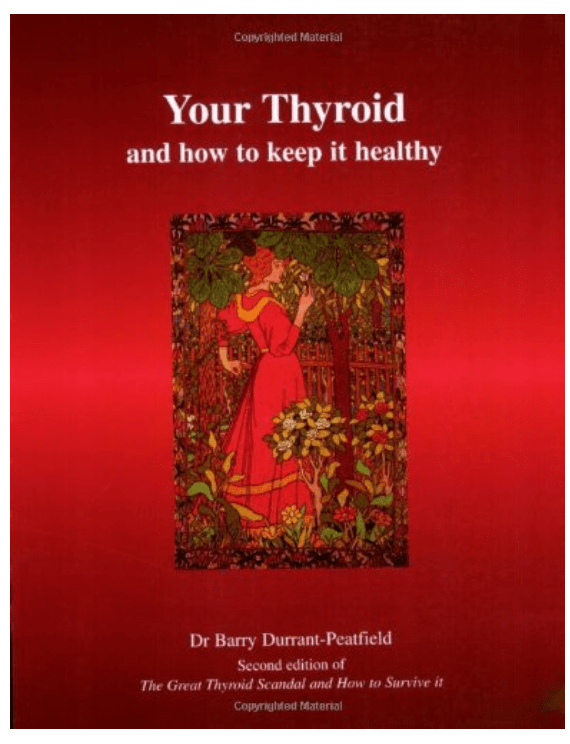
Your Thyroid and How to keep it healthy by Dr Barry Durrant-Peatfield, Hammersmith Press £15.99

 The neptune Herald
Leave a comment