

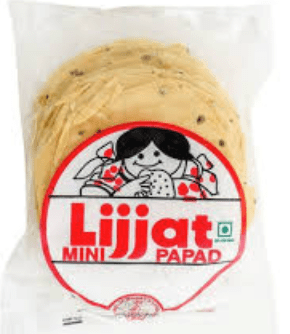
Shri Mahila Griha Udyog Lijjat Pappad, a co-operative started in 1959 in Bombay by seven housewives who made the humble poppadoms, a crispy, savoury snack that became a staple of Indian meals. Now sixty-five years later, the co-operative has spread across India with over 45, 000 women members grossing a turnover of £150m and exports its products to several countries around the world.
Under-privileged Women in this co-operative got their pride and respect as they produced several items including spices, chapatis, Poppadoms.
“Lijjat is a temple for us, as it helps us earn money and feed our families. The decision to join the women’s co-operative transformed her life” Lakshmi, 70 who manages the Delhi branch of the co-operative, managing 150 women, who was forced to look for work after her husband died four decades ago.
Every morning, the women members take a bus hired by the co-operative to the nearest Lijjat centre. There, they collect their pre-mixed dough of lentils and spices which they take home to roll into poppadoms. “I used to go home with this dough and do all my housework, feed my children and sit with my chakla ( wooden board) and belan (rolling pin) in the afternoon to make small round thin papads. Initially, it took her four to five hours to make 1kg of dried lentil papad, but now it takes only half an hour” Lakshmi recollects.
The head office in Mumbai buys raw materials in bulk and mixes the flour and sends it to Lijjat offices around the country. Once the women make and dry the poppadoms at home they deliver them back to the centre for packaging. Lijjat’s distributor network then transports the products to retail shops.
The founders of Lijjat – Jaswantiben Jamnadas Poppat, Parvatiben Ramdas Thodani, Ujamben Narandas Kundalia, Banuben N Tanna, Laguben Amritlal Gokani, Jayaben V Vithalani and Diwaliben Lukka, who in their early 20s living in an overcrowded tenement in Mumbai looking ways to support their families.
The principle was simple, work from home and earn money by using cooking skills passed down to them through generations.
Women soon realised that there were no takers for their poppadoms, and had to seek financial help from Chhaganlal Karamshi Parekh, a social worker who offered them a loan of £0.75, and as business grew, more women joind the co-operative not as employees but as co-owners with a say in decision-making.
For decades the co-operative produced its poppadoms without the iconic Lijjat brand name. In 1966, the Khadi Development and Village Industries Commission, a government organisation to promote small Indian rural industries, suggested that they come up with a brand name. The co-operative placed advertisements in newspapers. Over the decades, has allowed generations of women to attain financial independence.

 The neptune Herald
Leave a comment