
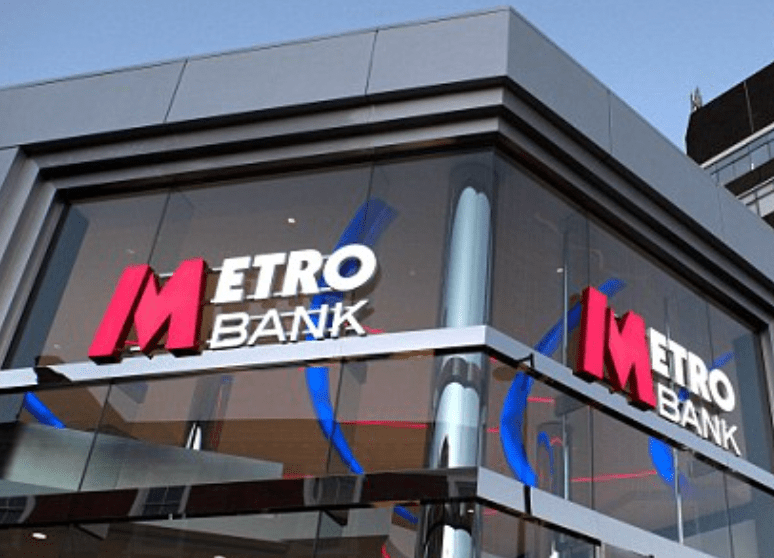
A group of Metro bondholders contacted the lender’s board on Monday proposing £600million capital injection, which the company has yet to accept. Last month the regulators had delayed the approval of a plan that would reduce the cost of its mortgage business, which resulted in its share price being halved in weeks following the disclosure.
Metro Bank has approached its rivals including Lloyds Banking, NatWest and HSBC, about buying a third of its mortgage book to help bolster its balance sheet, to raise upto £ 600million. Shares in Metro, which pledged to ignite completion on the high street after the financial crisis, fell nearly 30 per cent after media reports that it aimed to raise upto £250 million in equity funding and £350mn of debt. The bank also is considering selling about £2.3bn of its £7.5bn mortgage book to raise funds and reduces its capital requirements.
Robert Sharp, chair of metro, was called to meet officials from the Bank of England’s Prudential Regulation Authority and Financial Conduct Authority. Metro said it was “evaluating the merits of a range of options, including a combination of equity issuance, debt issuance and/or refinancing and asset sales”.
Metro was at the centre of the misreporting scandal in 2019 when it materially under reported the risk of its book. The episode led to the swift exit of its chair and CEO, The FCA later fined the bank and censured the former CEO and finance boss.
Rating agency Fitch put Metro on negative watch on Wednesday, increased risk to its business model, capital position and funding. Metro’s market value hit a record low of £64min yesterday after its share price fell 14.40p to 36.10p compared with an all-time high of £3.5bn five years ago. The price of £350mn Metro Bond due tin 2025 also dropped 12.6p to a record low of 57.4p
Indian mid and small-cap stocks soared in value over the past six months as retail investors and mutual funds snapped up shares in previously troubled firms, sparking concerns that some parts of the market have become too frothy. The Nifty Midcap 50 index has rallied by 39 per cent over the past year- while broad gauges of smaller stocks are also making gains. Nifty MidSmallcap 400 has risen 38 per cent over the same period. Nifty 50 index of India’s biggest listed companies is up by just 15 per cent. This was partly driven by retail investors betting directly on stocks with WhatsApp groups publishing share tips becoming increasingly popular.
One of the best performing Indian stocks in Suzlon Energy a wind turbine maker whose mammoth debt pile brought it close to bankruptcy in 2015 and is now in the midst of a turnaround, as its shares rocketed 265 per cent in the past six months. State-owned infrastructure builder Rail Vikas Nigam, whose shares soared 126 per cent. Mazagon Dock Shipbuilders, a defence ministry enterprise 85 per cent owned by government, is up 211 per cent in six months as the shares are trading almost 38 times compared with an average of nearly 23 times among stocks in the wider index.
The rise in small and mid-cap shares is an indication that India’s growth prospects as the world’s most populous country bounces back from the coronavirus pandemic. The IMF projects India’s economic growth at 6.1 percent this year.
 The neptune Herald
Leave a comment