
Innovative history of South Asia
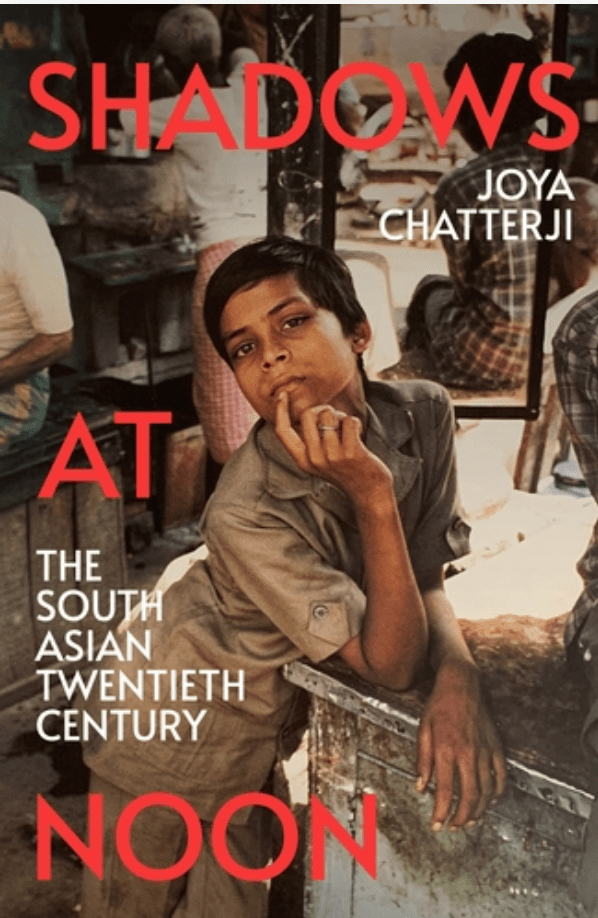
An in-depth view of South Asian history in the twentieth century underlining the similarities and intertwined cultures of India and Pakistan with foregrounds and deep connections, rather than the well-publicized fissures, between the cultures of India and Pakistan. Highlighting partitions of British India rather than the two world wars as the century’s infection points, historian Joya Chatterji, a Fellow of Trinity College, Cambridge, reveals how issues of nationalism, internal and external migration and technological innovation contributed to South Asia’s tumultuous twentieth century. Chatterji interlinks elements of her autobiography and family history, stories of such legendary figures as Tagore, Jinnah, Gandhi and Nehru and the accounts of the many left behind and marginalized in relentless nation-building projects.
According to Chatterji part of the clan with a base at Hill Cart Road in North Bengal, relatives from that rural redoubt visited her family’s city home in Delhi, Chatterji’s aunt was a curious character sticking to Hindu norms of widowhood, wearing a white sari and avoiding spicy food lest it inspire unseemly passions, but also teaching her niece the texts of two faiths the Hindu epic Mahabaratha and the history of the Indian version of Maoism known as Naxalism. Chatterji’s clan in south Asia, a region defined by clans both real and virtual which weaves in and out between personal and political with robust skill of classic
Ambassador Mark III car a Morris Oxford Series III, on rural Indian road. Chatterji blends a history of South Asia with the author’s experiences of living through the shaping of India.
Shadow at Noon is a political narrative of south Asia from the British colony of the late 19th century to the three states of present day, and re-examines the sub-continent through a range of themes including food, film and leisure. The US and Russia are vying to bring India to their orbits, as Narendra Modi’s government conducts naval exercises with the former and buys fossil fuels and armaments from the latter. Both Pakistan and Bangladesh are influenced by China’s search for new partners. Indian software entrepreneurs and Pakistani singers all have influence well beyond south Asia. The author’s frustration wit the old men of the Congress Party, the male-dominated political establishment that brought independence but then came a new elite in their own right. In the 1960s, they underestimated Indira Gandhi, Nehru’s daughter, who would go on to enjoy two stints as prime minister during which she launched the country on a path towards socialist politics and third world leadership. Chatterji highlights India’s first turn against democracy on Gandhi, pointing out that censorship and mass arrests were central to her emergency rule between 1975 to 1977. Chatterji makes important contribution in comparing and contrasting that earlier, secular shutdown of democracy to the more recent Hindu nationalist turn, which has been accompanied by a reduction of press vitality and civil rights even while regular multi-party elections continue.
Chatterji suggests that Prime minister Modi’s ruling Hindu nationalist Bharatiya Janata Party, has learnt from ‘Gandhi’s mistakes “What not to do” such as dissenting voices from Indian Broadcasting, us less noticeable than a sudden dictatorial clampdown. The roots of Hindu nationalist Rastriya Swayamsevak Sangh formed in 1925 grew at the same time as the “six anna” party that Gandhi promoted in the same era. RSS recruited only men , including Nathuram Godse, the future assassin of the Mahatma Gandhi. The Hindu nationalist tone of the politics that dominat4es northern India today did not emerge from a historical vacuum but as part of a set strands that were in conflict with each other in the early 20th century just as much as they were in conflict with the British.
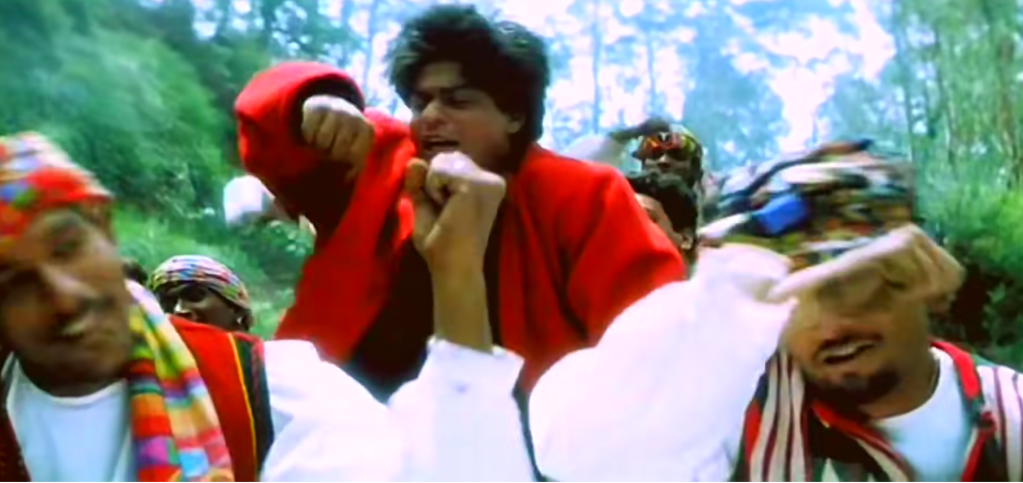
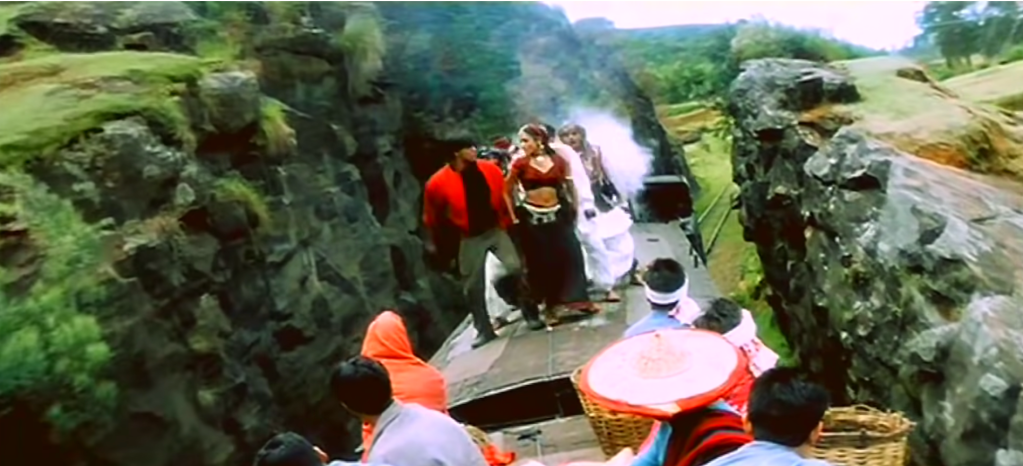
Chatterji takes us into the kitchen where she gives us her biryani recipe and details the health and spiritual connections between various flavours. Chatterjee interprets Bollywood moies as profoundly importantsocial documents. Much of the filmi culture is hard-wired into south Asians across national or class barriers, as they effortlessly recall tunes from classic 1970s film such as Sholay and Amar-Akbar and Anthony.
Shadows at Noon: The South Asian Twentieth Century by Joya Chatterji, Bodley Hea £30, 864 pages.
 The neptune Herald
Leave a comment