
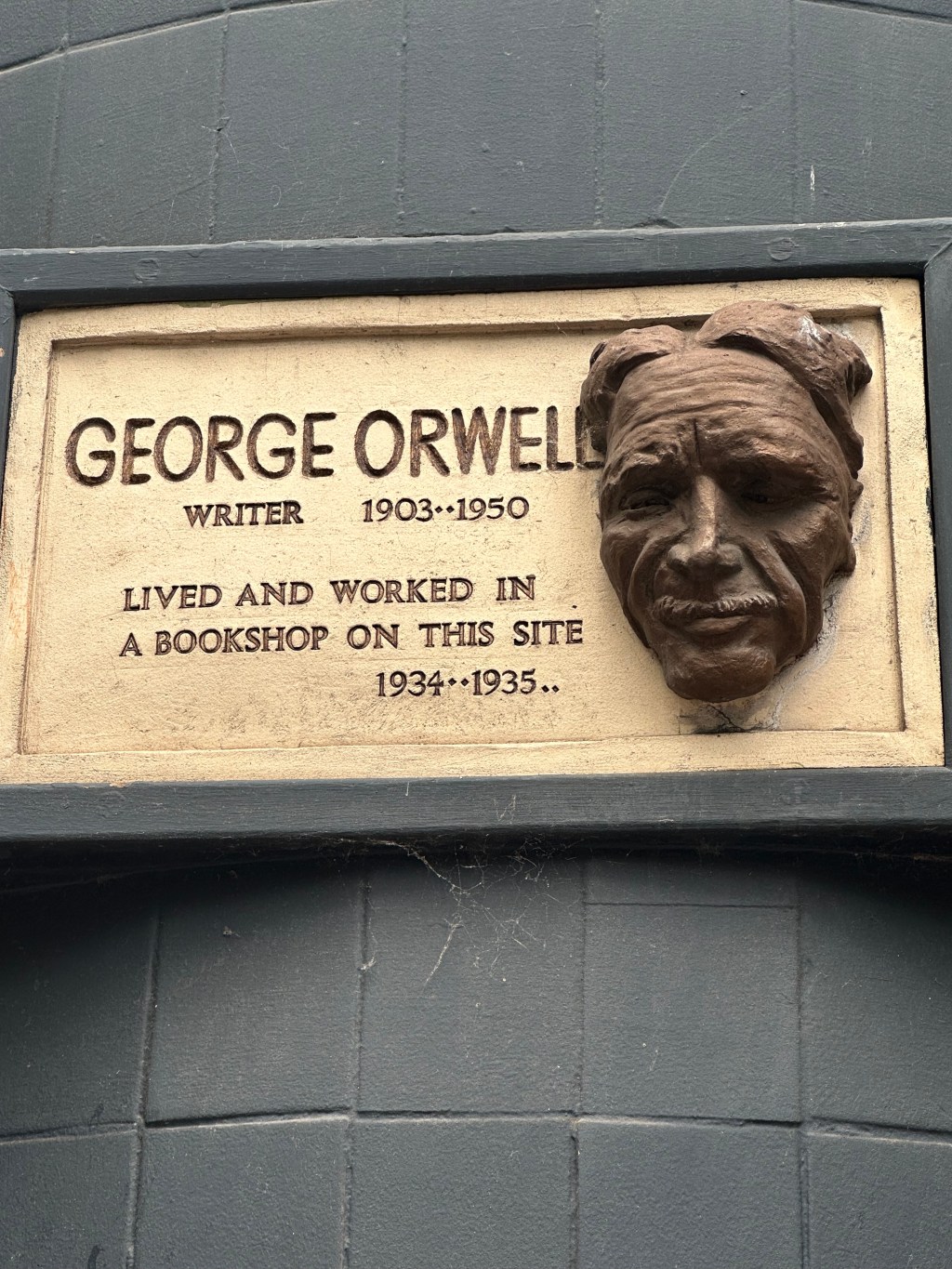
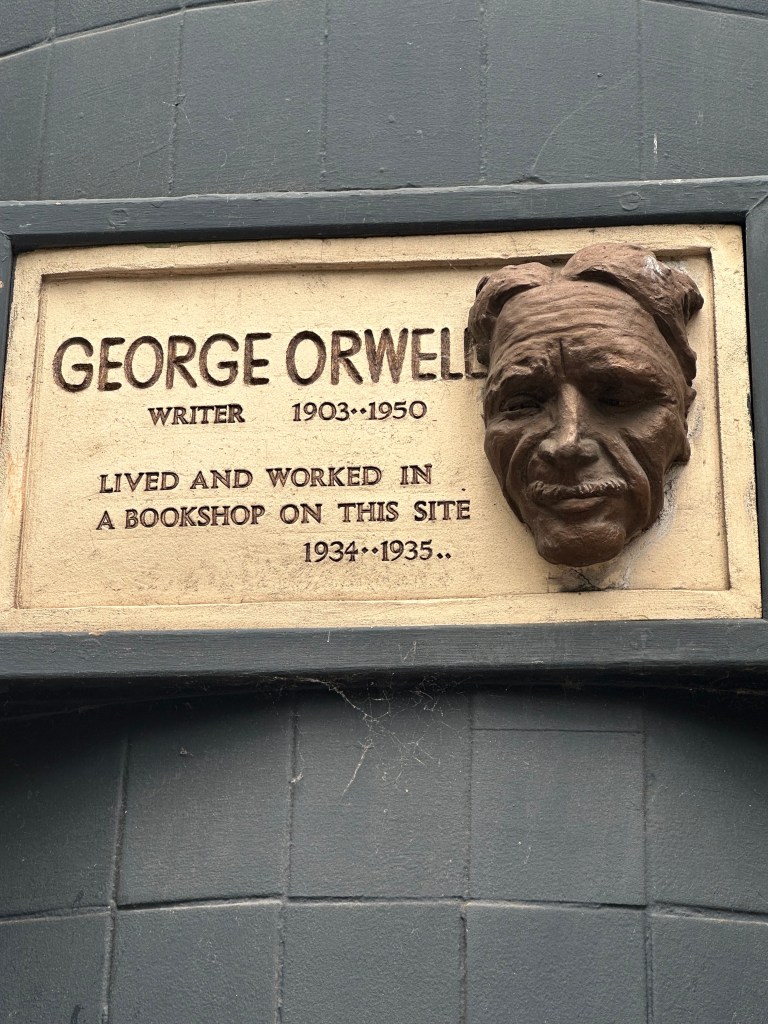
George Orwell had the unique vision to warn everyone about state control and surveillance, and cold war in the 1940s so true, in the age Artificial intelligence and big data. Orwell’s long shadow is just how his reputation solidified, as his death in January 1950, his two great noels were being filmed, animated and adapted for radio, and he was sole informative influencer for younger talents. Nineteen Eight-four (1949), had turned him into a legend, his appeal universal. Orwell’s popularity in Zimbabwe, where the crowds protesting against Robert Mugabe’s government were fond of comparing him to Napoleon, the leader of the Manor Farm Pigs, or in Myanmar, where a western journalist was assured by local that “Animal Farm” (1945) is a very Burmese book.. “It is about pigs and dogs ruling the country” in much the same way “Orwellian” has become one of the key adjectives of the modern age from the Vigilant CCTV system to a government plan for ID cards or absurdities of cancel culture, a “floating signifier” that long ago tugged free from its original moorings and went flying off into the outer margins of cyberspace, Sanctified to its users (and mis-users) by virtue of its connection to the dystopian world of hate, enforced obedience and state-sanctioned suppression that Orwell coaxed into life in his Hebridean farmhouse three-quarters of a century ago in May 2021, when a European Court of Human Rights ruled that GCHQ’s bulk interception of online communications was illegal, no fewer than three of judges invoked a passage from Nineteen Eighty-four. Orwell’s both books have together sold over 40 million copies worldwide and continues to exert a decisive influence on our understanding of international power-politics.
The legend of the fearless witness who spoke truth to power looks different when viewed through the prisms of postcolonial geopolitics or rebalanced gender relations,
Born Eric Blair, Orwell assumed his pen-name in the 1930s, when his career as a novelist and left-wing journalist took off. His best sellers Animal Farm and Nineteen Eighty-Four as ideological weapons in the cold war. “Orwellian” became a rallying cry against the threat of totalitarianism.
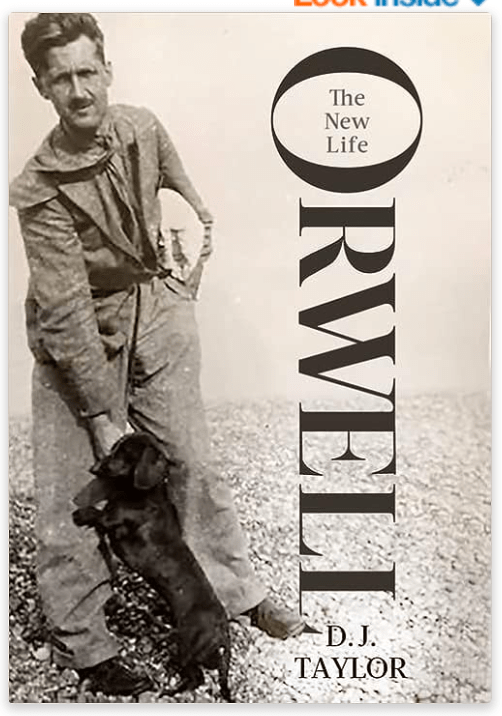
On the basis of newly discovered caches of letters, DJ Taylor has expanded his 2003 biography in Orwell: The New Life and presents a definitive portrait of his complex, driven and self-mythologising man”. Taylor mine Orwell’s personal feelings of guilt, the family’s money came from West Indian plantations worked by slaves. His father, an Anglo-Indian official in the opium trade, retired to Henley-on-Thames . Orwell won a scholarship to Eton, which he recalled as “ that festering centre of snobbishness”, but, stinking academically, he joined the Burma police in 1922, resigning five years later disillusioned by first-hand experience of the oppressions of the British Raj.
He established his literary career with reportage on London’s homeless and the depression-hit industrial north of England: part sociological fieldwork, part impassioned exposure of the injustices of capitalism: The Road to Wigan Pier (1937) staged its grim imagery, notably a slum girl poking a stick up a clogged wastepipe with “the most desolate, hopeless expression I have ever seen”.
The work irritated sections of the Left Book Club with its sneers at middle class socialist intellectuals, and Taylor has revealed several anecdotes about Orwell’s distaste for London’s literary cliques, including swapping seats in a restaurant so as not to see the editor of the New Statesman. A year later after visiting Wigan, in 1937, Orwell was fighting General Franco’s fascists in the Spanish civil war, where he also witnessed fierce power struggles between leftwing factions that were ostensibly on the same side. Taylor explains “ Spain was a crucible, that forged Orwell’s view of the world”. Shot in the neck by a sniper Orwell nearly died, but he returned to Britain as a determined anti-stalinist.
Orwell: The New Life by DJ Taylor Constable £30, 608 pages.

 The neptune Herald
Leave a comment