
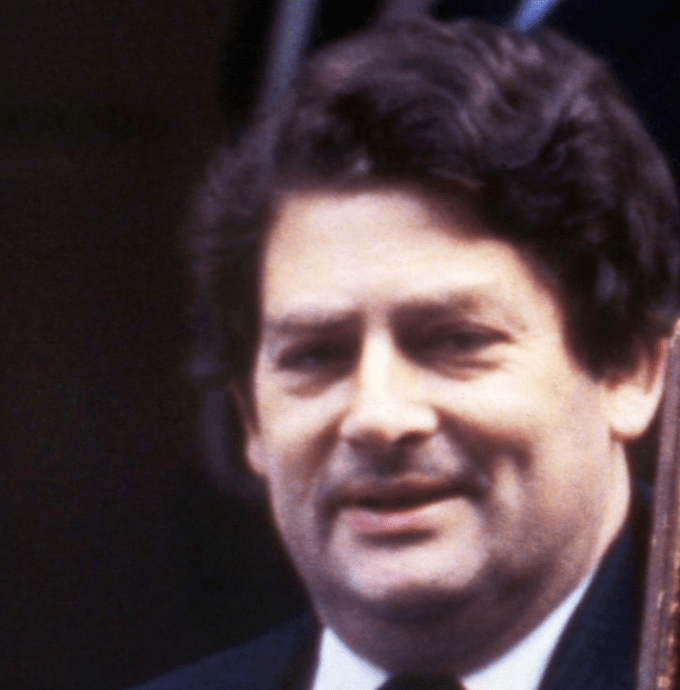
Lord Lawson of Blaby, who has died at 91, will be remembered, as the chancellor who steered Margaret Thatcher’s free-market revolution, was the longest-serving British Chancellors of the 20th century, nearly six-and-half years in Number 11 Downing Street, while Sir William Clark was the Conservative Party deputy chairman and Treasurer. Nigel Lawson was the architect behind a vigorous privatization programme and radical tax cuts at the end of 1980s, revered by the Tory right. He also played a critical role in managing the successful recovery of the UK economy from the depths of the early 1980s recession. “Lawson boom”, resulted in two big tax-cutting budgets in the late 1980s and he championed Brexit and was leading sceptic of man-made climate change. Born to a Jewish family, Lawson raised his children as atheists.
He was ranked first in Philosophy, politics and economics knows as PPE, at Oxford. As a graduate he was recruited to the Financial Times in the 1950s under then editor Sir Gordon Newton. In the span of four years he progressed from junior feature writer to industrial reporter, oil correspondent, features editor and chief Lex columnist.
In 1960, he joined new Sunday Telegraph as City editor, until 1963, when he went to the Conservative Research Department to help the party fight the next election. Soon after 1964 polls, he succeeded Iain Macleod as editor of The Spectator and entered parliament in 1974. In September 1981 Lawson became the energy secretary, with privatization programmes involving North Sea Oil and British Gas and the electricity industry. He also pre-planned the 1984 miner’s strike after the build up of coal stockpiles at power stations.
Lawson was surprised to be appointed chancellor after the 1983 election but seized his opportunity with the radical budget of March 1984, reforming corporation tax, including abolition of stock relief and investment allowances.
He presided over the huge “big Bang” liberalizing of the city in 1986 and abolished a tax in each of his six budgets. In 1986, Lawson began to make important mistakes, as Sterling weakened after an oil price fall and he became increasingly frustrated at Thatcher’s rejection of the ERM, which according to him would have given more credibility to the government’s anti-inflationary policies. He ended the life insurance premium relief and the introduction of personal equity plans. In 1988, he cut the top rate of income tax to 40 per cent.
Lawson cut the base rates in the middle of a credit driven domestic economic boom and later admitted the short-lived cut in base rates to 7.5 per cent in May 1988 “was subsequently to do considerable damage to my reputation.” In October 1989 inflation was rising interest rates had reached 15 per cent on the eve of the Conservative conference and the European issue had split the cabinet. The stated resignation issue was the continuing role of Walters in undermining Lawson’s strong Sterling policy, but Europe had become a running sore. After his resignation he stood down from parliament before the 1992 election and accepted the title of Baron Lawson of Blaby. He subsequently took several company directorships at Barclays, was even an outside candidate for the governor of Bank of England in 1993.
Lawson’s monumental memoirs over 1000 pages published in 1992, revealed the internal divisions in the government over Europe at his period. In the later years his relationship with Thatcher became increasingly strained, because of his opposition to the poll tax. He was forced to uncap Sterling in 1988 and pound perversely rose for a time, throwing exchange rate and monetary policy into disarray. Lawson was a strong supporter of Brexit, and his embrace to Euroscepticism only burnished his reputation for those on the Tory right.
Lawson had six children including television cook and celebrated food writer Nigella Lawson and journalist Dominic Lawson
 The neptune Herald
Leave a comment