

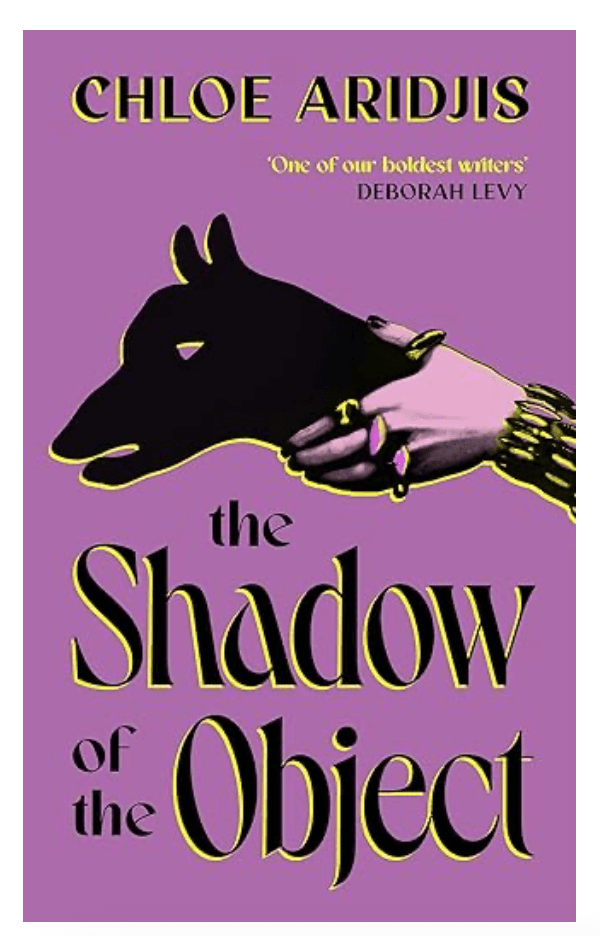
Silver polisher, Flora, a 40-year-old Londoner visiting her family in Mexico – where Aridjis spent some of her childhood, is bitten on the hand by their dog Diego, who knows her well, but he is old with cataracts and saw nothing but “a disembodied hand”. She winds up in hospital where she undergoes several surgeries under anaesthesia “three surgeries… each time it felt sawn in half and put back together”. The hospital becomes a hermetic space for Flora, sealed off from the outside world. She meets Wilhelmina, an elderly German woman with pneumonia, who collects pre-cinema toys and instruments. The two of them embark on a series of dream-like conversations in the hospital corridors. Wilhelmina puts on a magic lantern to show Flora, leaving her spellbound. When things take an unexpected turn, Flora finds herself with an important mission. Flora herself is “phlegmatic, melancholic, yet prone to occasional acts of daring, a flat line interrupted by the sudden jump”. When Wilhelmina dies, Flora must return her belongings – including a beloved magic lantern. She returns to London, where she resumes her job polishing at a jewellery shop and strikes up a strange friendship with Wilhelmina’s son, Max. Flora and Max deal with Wilhelmina’s legacy, which becomes a Sebaldian journey to the fringes of England. As Flora dips in and out of her imagination, she is increasingly aware it’s not only the magic lantern that projects, and her perception of reality is subtly altered. The tension between reality and imagination that drives the book.
In Shadow of Object, Flora’s mind plays tricks: her first sighting of Wilhelmina, in a hospital wheelchair, make her see “a hybrid of woman and chair”. Later, she briefly imagines a male figure in her room, illuminated by a flash of lightning during a storm. Images of a boy sinking into a sand dune, a cat in the British Museum Reading Room who “would ask readers to hold the doors open for him when he wanted to exit” – a dream.
The Shadow of the Object by Chole Aridjis, Chatto Windus £16.99, 192 pages.

