

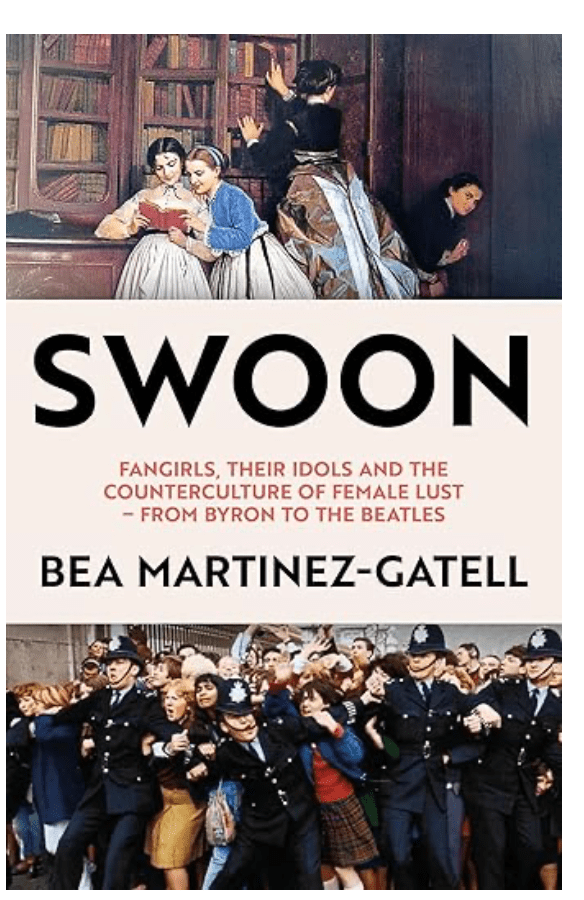
Powerful swooning by teenage girls: from Byron to Beatlemania to Frank Sinatra in the 1940s to Harry Styles in the 2020s, many of the biggest male stars in the world built their early careers on their romantic appeal to young women. The lovestruck teenager gazing at pictures of her idol in magazines or screaming in hordes at a concert is a stock character in the textbooks of fame.
When 31-year-old Rudolph Valentino collapsed with appendicitis in 1926, he incited a “gothic carnival of heartbreak”. The New York Hospital experienced a surge of phone calls up to 32 calls a minute -forcing staff to establish a “Valentino Information Centre” on the second floor. His manager hired a private detective to stand guard outside, only Valentino died eight days later, triggering two distraught Japanese school girls jumped into a volcano. An elevator boy committed suicide in Paris Ritz. More than 30, 000 fans filled the streets outside Madison Avenue funeral home where Valentino’s body lay in open coffin. Bea Martinez-Gatell explains “ a central engine of pop culture” is what fandoms are.
Swoon uncovers the story of how the fangirl became the most enduring yet disdained icon of pop culture. From the Byromaniacs of Regency London to the screamers of Beatlemania these women are tastemakers, visionaries and cultural disruptors. Their obsessions shaped literary canons, built Hollywood icons and turned musicians into messiahs long before social media came along. But with power came panic. Fandom became moral and cultural background. What was at stake was women’s right to want things they weren’t supposed to want, feel things they weren’t supposed to feel and express these things loudly, shamelessly and in public. Part cultural history, part joyful reclamation, Swoon returns the silly, swooning, screaming girl to her rightful place in feminist history – because behind every sigh and every squeal, the seeds of a revolution were stirring.
For centuries this wasn’t the case impassioned female fans were caricatured as brainless bimbos, screeching pointlessly in public and holding up traffic by clawing at car or carriage windows.
Byron was an early poster boy, the author begins, known for making ladies involuntarily wilt, with his rakish, reputation and confessional poetry quietly encouraged women to put their deepest darkest desires into words. “ The age of sentiment had taken hold, as readers wanted to feel deeply rather than think clearly” Martinez Gatell writes.
Byron wrote to this brief, corrupting girls by inflaming their imaginations, much to the horror of the conservatives. The fearful writer of a 1792 pamphlet entitled The Evils of Prostitution and Adultery anticipated the increase in female consumers of literature would help to account for “the numerous adulteries and elopements that we hear of in the different parts of the Kingdom”.
In the 1840m Lisztomania arrived Franz Lixzi the Hungarian pianist and composer was “the type of hot that filled even the most devout women with sinful agitation”, as he bashed out sonatas in “sweaty candlelit concert halls”. At the height of his fame women collected the butts of his cigars and stashed them in their cleavage, Like Napoleon, who was also charismatic and self-made, Liszt conquered Europe, ”but while Napoleon did it with cannons and cavalry, Liszi did it by turning the humble piano into a weapon of mass seduction”. Gatell writes “The ecstatic concertgoers responsible for his success welcomed a new social order, “one where talent, charisma and popularity were beginning to challenge noble birth and military might as foundations of power”.
In the audience at Frank Sinatra’s shows teenagers screamed any time he sang the word “love” then “crumpled an melted”. They bribed hotel maids to let them lie between the sultry-voiced crooner’s bedsheets and smoke his cigarette ends, and “when it snowed, girls fought over his footprints”.
Presley’s televised bump and grind performances caused an even more frightening “cultural earthquake”, immortalised in Baz Luhrmann’s throbbing bioic of the King.
Beatles who made a splash, which was credited to their being “sexy, but in a kind, sensitive emotionally available kind of way”, but also had a lot to do with tehir songs tapping into the Sixties’ “Sexually charged winds of change”. Gatell writes “ The fab Four’s authenticity and self-assurance were emboldening their girl fans”, who chopped their hair short, wore Beatles-inspired clothes and made long solo journeys just to catch a glimpse of the boys. “ If you really wanted to know who the fifth Beatle was, it was those ecstatic teenage girls” writes Gatell.
Swoon Fangirls, Their Idols and the Counterculture of Female Lust – From Byron to the Beatles by Bea Martinez-Gatell, Biteback £22, 368 pages.


Swoon has arrived! It may have been a long time coming but it is here! Any female reader will lovingly reflect on stories and anecdotes which match up with activities, thoughts and longings with the reader and her friends I can guarantee it! We women can all remember posters we had on our walls – in my case Steve McQueen and Robert Redoford and a smaller one of Alice Cooper together with a tenderly kept longplay record cover with Bryan Ferry displayed on it and I say HAD but many women keep their alliances with men they are fans of far longer than just as a display as a teenager in their bedrooms!
I feel this is long overdue and I would love to read it. Congratulations to the awesome writer who put it together and it would
make a great Christmas present, birthday present or a present for yourself!
ENJOY!
Penny Nair Price
LikeLike